How Concrete Curbing Helps Define Landscape Borders
Concrete curbing helps define landscape borders by creating clear, durable edges that enhance property appearance and keep mulch, grass, or gravel in place, with local service providers ready to assist.
Understanding how concrete curbing helps define landscape borders is essential for property owners looking to enhance the clarity and organization of their outdoor spaces. Well-designed landscape borders can create a clean separation between lawns, flower beds, pathways, and other features, making a yard appear more polished and intentional. For those in the area considering ways to improve curb appeal or prevent soil erosion, exploring concrete curbing options offers a durable and visually appealing solution that can stand up to weather and regular use.
Local contractors specializing in concrete curbing provide the expertise needed to craft borders that not only serve practical purposes but also complement the overall landscape design. Whether aiming to contain mulch, improve drainage, or simply add a decorative touch, property owners can find experienced service providers ready to help bring their vision to life. Continuing to explore how concrete curbing helps define landscape borders can reveal effective ways to enhance both the function and appearance of outdoor spaces.
- Concrete curbing services are ideal when homeowners want to clearly define landscape borders for flower beds or lawns, with local contractors providing precise installation.
- When property owners seek to prevent soil erosion and create clean separation between different landscape elements, local pros can install durable concrete curbing.
- For those looking to enhance curb appeal and establish a polished look around walkways or driveways, local contractors offer custom concrete curbing solutions.
- If a property needs a long-lasting boundary that requires minimal maintenance, local pros can craft concrete borders that stand up to weather and wear.
- When designing landscape features that require a neat, defined edge, local contractors use concrete curbing to help visually separate and organize outdoor spaces.
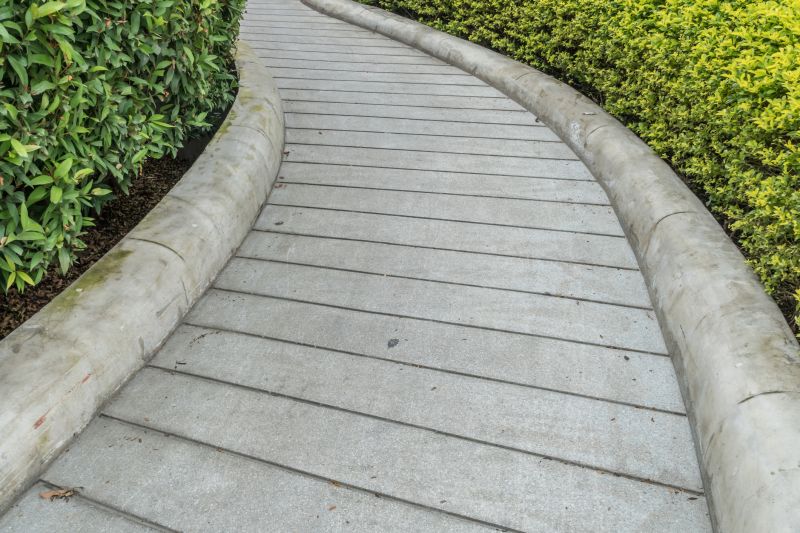
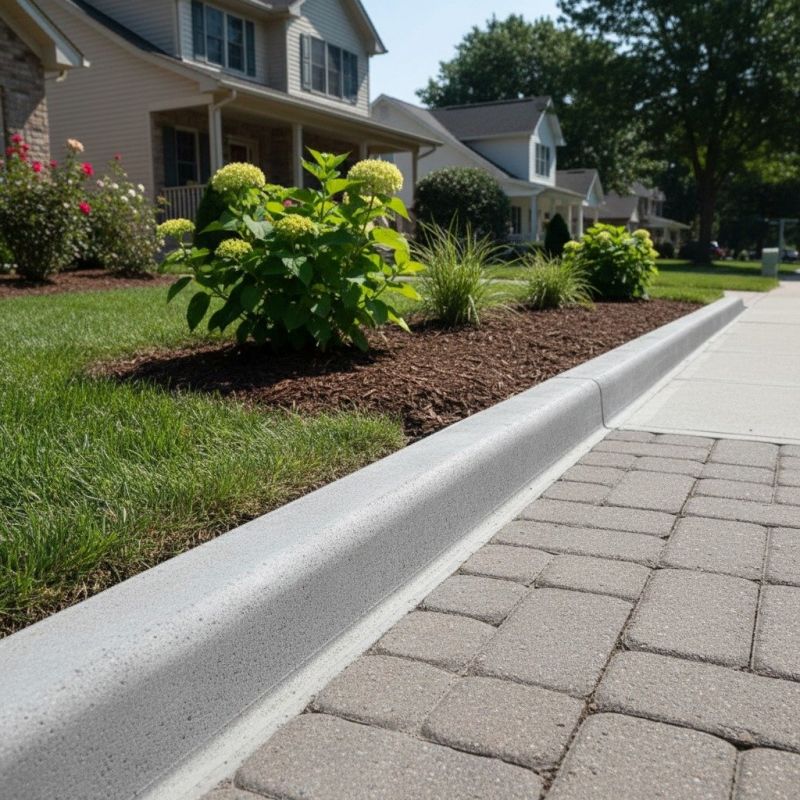
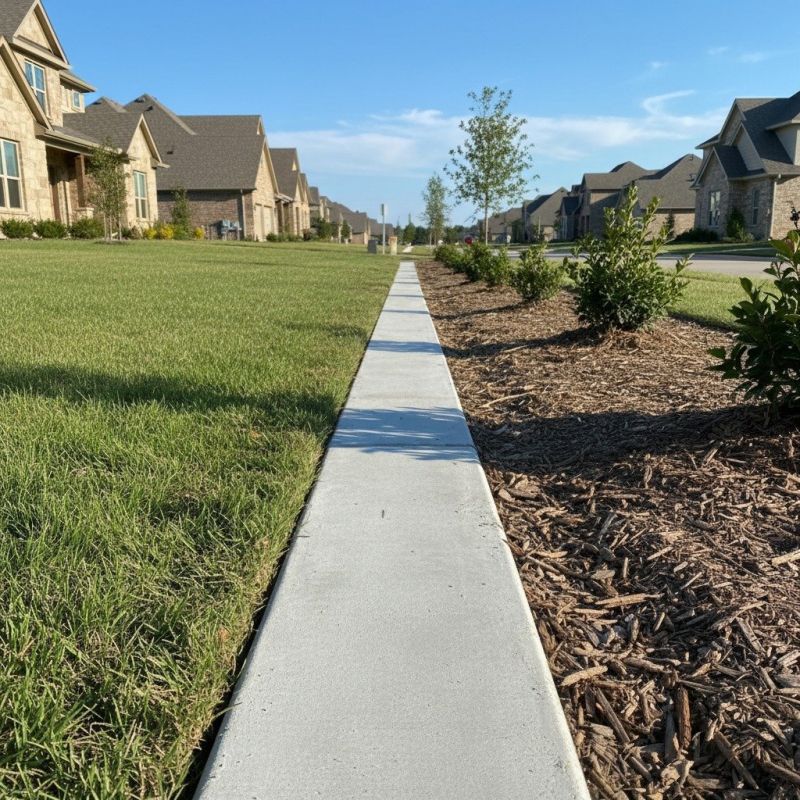
When people search for how concrete curbing helps define landscape borders, they are often exploring ways to create clear, attractive boundaries around different areas of their property. This might include delineating flower beds, separating lawns from walkways, or framing driveways. Homeowners typically seek a durable and visually appealing solution that can enhance the overall look of their landscape while providing a practical edge that prevents soil or mulch from spilling into other areas. The focus is on achieving a neat, structured appearance that complements the existing landscape design and adds value to the property.
Concrete curbing is frequently connected to projects that involve improving curb appeal or making outdoor spaces more functional. Common problems it addresses include soil erosion, weed encroachment, and the need for a tidy separation between different landscape elements. Many plans involve installing borders that are both decorative and practical, helping to keep mulch or gravel contained and reducing maintenance. Property owners often want a solution that not only looks good but also withstands weather and foot traffic without cracking or shifting over time. Local contractors who specialize in concrete curbing can provide tailored options that match the style and scale of the project, whether it’s a small garden bed or a large yard.
The types of properties that typically come up in discussions about concrete curbing include residential homes, especially those with landscaped front yards, backyards, or gardens. Larger properties like community parks, commercial landscapes, or institutional grounds may also utilize concrete curbing to define walkways or garden areas. The goal is to create a clear boundary that enhances the aesthetic while serving a functional purpose. For homeowners, this often means working with local service providers who can recommend the best styles and installation techniques to suit their property’s layout and their personal preferences. These professionals have the experience to handle a variety of landscape configurations and property sizes, ensuring the curb is both attractive and durable.
Overall, understanding how concrete curbing helps define landscape borders involves recognizing its role in creating structured, visually appealing outdoor spaces. It’s a solution that addresses common landscape challenges such as soil erosion, weed control, and aesthetic cohesion. For property owners considering this option, connecting with local contractors who specialize in concrete curbing can ensure the project aligns with their specific needs and property style. These service providers bring the practical expertise needed to install borders that are both functional and attractive, helping homeowners achieve a polished look that lasts for years.
Landscape edging projects involve defining boundaries between lawn areas and planting beds, requiring similar planning and precision as concrete curbing for landscape borders.
Retaining wall construction uses tools and techniques comparable to concrete curbing, especially in creating durable, visually appealing borders that contain soil and define spaces.
Driveway apron installation requires careful planning and skilled use of concrete tools, aligning with the skills used in creating landscape borders with concrete curbing.
Garden bed edging projects focus on creating clean, defined lines around planting areas, often utilizing concrete or similar materials to enhance landscape borders.
Pathway and walkway installation involves precise placement and finishing techniques akin to those used in concrete curbing for landscape borders.
Soil grading and leveling projects require planning and material handling skills similar to those needed for installing concrete landscape borders that help define outdoor spaces.
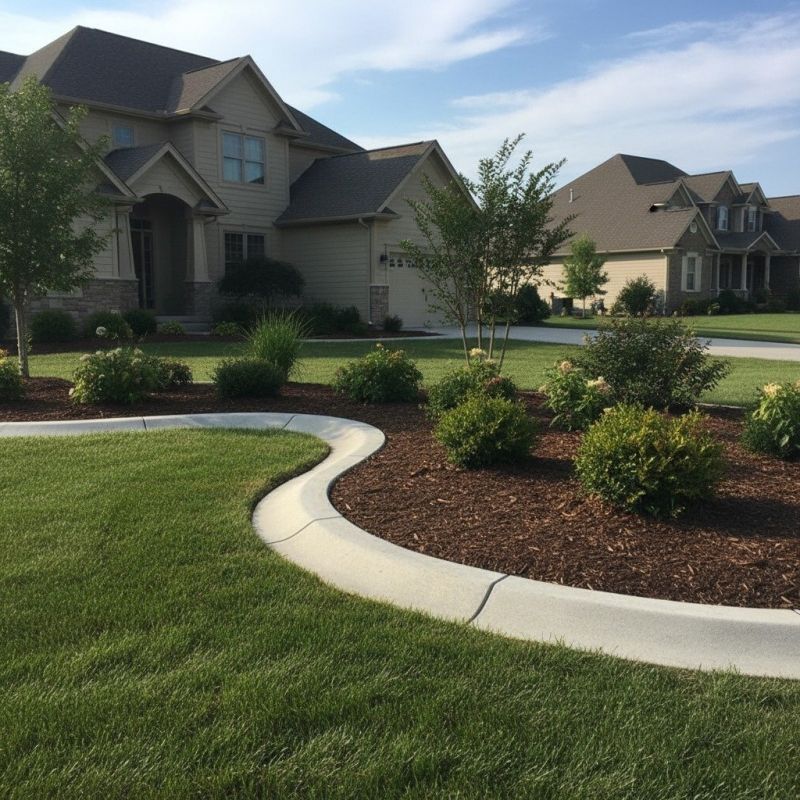
When comparing concrete curbing services, it is important to consider the experience of local contractors with similar landscape border projects. An experienced provider will have a history of completing concrete curbing installations that effectively define landscape boundaries, ensuring that the work aligns with the homeowner’s vision and functional needs. Asking about past projects or requesting examples of completed work can provide insight into their familiarity with different styles and site conditions, helping to determine if they have the practical know-how to deliver quality results.
Clear written expectations are essential when evaluating potential service providers. Homeowners should seek detailed proposals that outline the scope of work, materials to be used, and the process involved in installing concrete curbing. This helps prevent misunderstandings and ensures that both parties are aligned on the project’s goals. Reputable contractors will be transparent about what is included and will be willing to address any questions or concerns, fostering a smoother working relationship from start to finish.
Reputable references and strong communication are key factors when choosing a local contractor for concrete curbing. Speaking with previous clients can offer valuable perspectives on the contractor’s professionalism, reliability, and the quality of their work. Additionally, a contractor who maintains clear and responsive communication throughout the project demonstrates a commitment to customer satisfaction and can help ensure that the project progresses smoothly. Homeowners should prioritize service providers who are approachable, transparent, and attentive to their needs to achieve the best possible outcome in defining landscape borders with concrete curbing.
Property owners often search for how concrete curbing helps define landscape borders when they are planning practical projects around their homes and businesses. Local pros provide Concrete Curbing services for everyday jobs and straightforward project options.
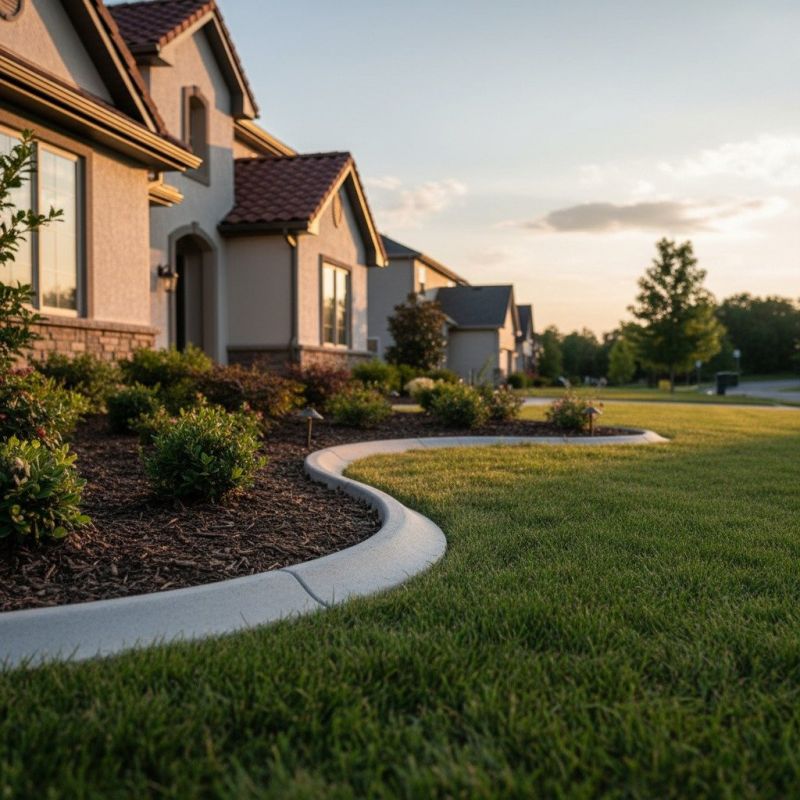
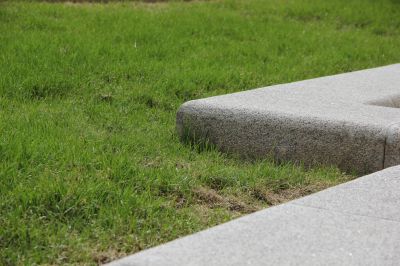
Concrete curbing is a practical solution for property owners looking to clearly define landscape borders around yards, gardens, or pathways. It provides a clean, structured edge that helps separate different areas, preventing grass or mulch from spilling into flower beds or walkways. Many property owners turn to local contractors for this service because professional installation ensures a smooth, durable finish that enhances the overall appearance and organization of outdoor spaces.
For those considering how concrete curbing helps define landscape borders, working with local service providers offers the benefit of tailored solutions that match the specific layout and style of the property. Experienced contractors can recommend the best design and placement to improve curb appeal and functionality. Connecting with local pros can make the process straightforward, ensuring the borders are sturdy and visually appealing, ultimately helping property owners achieve a neat, well-maintained landscape.
How does concrete curbing help define landscape borders? Concrete curbing creates clear, durable boundaries that visually separate different areas of a landscape, enhancing overall organization and curb appeal.
What are the benefits of using concrete curbing for landscape borders? Concrete curbing provides a long-lasting, low-maintenance solution that helps prevent soil erosion and keeps mulch or gravel contained within designated areas.
Can local contractors customize concrete curbing to match my landscape? Yes, local service providers can customize the shape, height, and color of concrete curbing to complement the specific style and layout of a landscape.
How does concrete curbing improve the appearance of a yard? It offers a clean, professional finish that enhances the overall aesthetic by creating crisp lines and defined edges around flower beds, lawns, and pathways.
What types of landscape borders can concrete curbing be used for? Concrete curbing is versatile and can be used for defining flower beds, walkways, driveways, and separating different landscape elements for a polished look.
Creating clear boundaries - Concrete curbing can be used to establish distinct edges around flower beds, lawns, or pathways, helping to keep landscaping organized.
Preventing soil erosion - Installing concrete borders along slopes or garden beds can help contain soil and mulch, maintaining the landscape’s shape over time.
Enhancing curb appeal - Well-designed concrete curbing adds a polished look to property borders, making outdoor spaces more attractive and defined.
Simplifying maintenance - Defined landscape borders make mowing, trimming, and gardening easier by creating neat separation lines that keep different areas tidy.
If you are thinking about how concrete curbing helps define landscape borders for a property, this guide is meant to help you understand this topic, the typical project types, and how different options might fit your plans.
When you are ready, you can use the quote form on this page to share a few details about your project. From there, local pros can review the basics and follow up with options that match what you have in mind.